
Imagine walking through a busy food processing plant during peak production. Forklifts rushing past, cleaning teams sanitizing surfaces every few minutes, workers carrying hot containers, oils dripping, and water constantly splashing across the floor. Now imagine that same floor cracking, becoming slippery, or peeling due to repeated chemical and moisture exposure.
The result? Accidents, contamination, equipment damage, production shutdowns, and massive repair bills.
This scenario is more common than most facility managers expect. Every year, industrial and commercial businesses experience flooring failures because traditional materials simply cannot survive harsh operating conditions.
That is why corrosion-resistant flooring has become a smart investment — not just an improvement, but a long-term protection strategy recommended by every expert Flooring Manufacturer.
What Is Corrosion-Resistant Flooring?
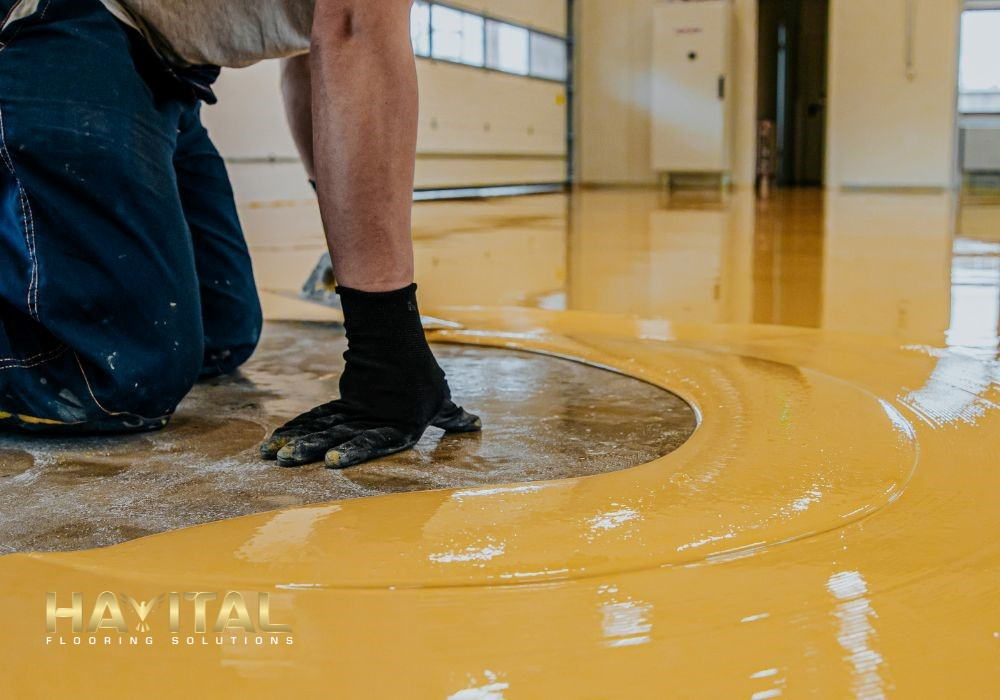
Corrosion-resistant flooring is engineered to withstand chemical reactions, heavy loads, constant cleaning, moisture, and extreme temperature changes without losing strength or structural integrity. These flooring systems use advanced materials and protective coatings that prevent stains, cracks, peeling, corrosion, and surface erosion even under intense industrial conditions.
Why Corrosion-Resistant Flooring Matters
Extends the life of the facility
Floors are one of the most expensive structural components. When they fail, operations stop. Corrosion-resistant floors last longer and prevent untimely and premature renovation.
Reduces maintenance costs
Instead of constant repair cycles and shutdowns, operations continue smoothly with lower upkeep.
Improves workplace safety
Weak surfaces, cracks, and slippery floors can cause injuries and damage machinery. A stronger floor enhances safety and reliability.
Resists chemical damage
From strong cleaning agents to oils and acids, these surfaces withstand repeated exposure without degrading.
Enhances hygiene and cleanliness
Seamless flooring prevents bacteria, mold, and dirt from building up. This is essential for healthcare, food factories, and sterile environments.
The Need for Durability: Why and Where Corrosion-Resistant Flooring is Most Essential
Different industries face unique challenges. Here are some environments where corrosion-resistant flooring makes the biggest difference:
Food and beverage factories
Constant washing, chemical cleaners, hot liquids, and spills demand flooring that retains slip resistance and hygiene.
Hospitals and laboratories
Infection control and sanitation standards require surfaces that resist harsh disinfectants and prevent contamination.
Warehouses and manufacturing units
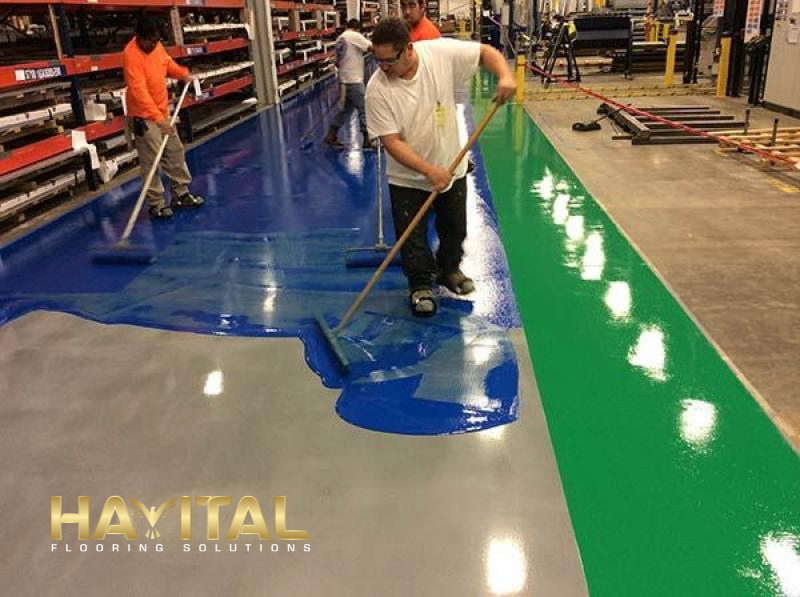
Heavy forklifts, equipment impact, and oil spills require floors built for load-bearing and durability.
Parking areas and garages
Salt, fuel leaks, water, tire friction, and weather changes quickly damage untreated concrete.
Commercial kitchens
Hot water, steam, oils, and heavy traffic can destroy traditional flooring.
Coastal regions
Moisture and salt exposure accelerate corrosion and weaken surfaces.
Pool areas and spas
Constant water and chlorine contact require slip-resistant and waterproof flooring.
The Real Cost of Choosing the Wrong Flooring
Many facilities choose cheaper flooring options initially to reduce the project budget. But over time, this choice becomes a silent financial burden. Consequences often include:
- Frequent repairs
- Shutdowns due to unsafe surfaces
- Maintenance interruptions
- Risk of work injuries and legal claims
- Hygiene failures during inspections
Corrosion-resistant flooring prevents these issues before they start, making it a smart investment rather than another expense.
Conclusion
Flooring is not just a surface people walk on. It is the foundation that keeps a facility operating safely, efficiently, and profitably. Whether it is a hospital, a commercial kitchen, a warehouse with heavy machinery, or a coastal project battling moisture, corrosion-resistant flooring delivers durability and long-term protection that traditional flooring cannot provide.
Partnering with a trusted Flooring Manufacturer ensures you receive a high-performance Corrosion-resistant flooring solution designed for your specific industry needs.